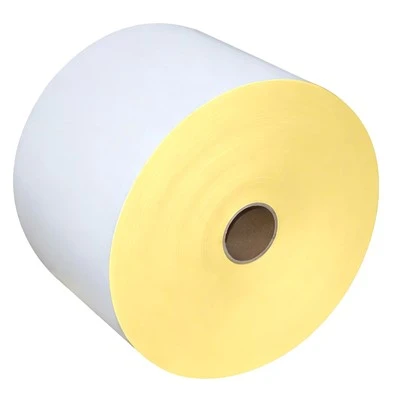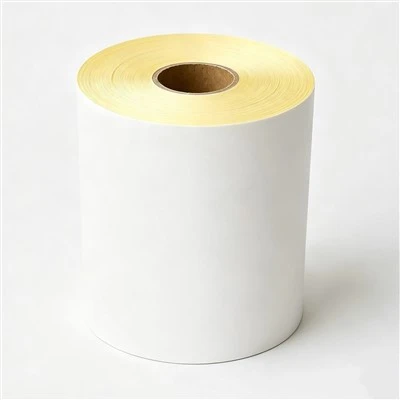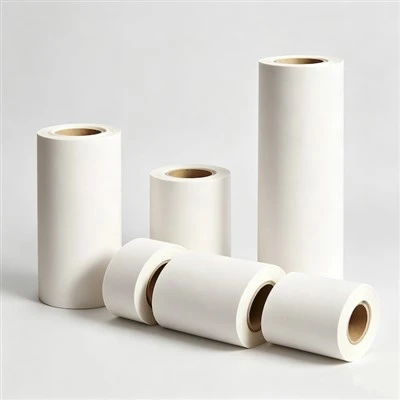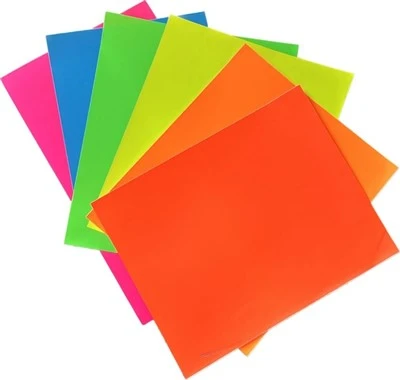


Brand labels are important carriers of product branding information and are widely used in clothing, textiles, footwear, bags, home products, and various consumer goods. With excellent identification performance, durability, and diverse design possibilities, brand labels not only communicate brand information but also enhance product appearance and strengthen consumer recognition. As market demand for product quality and brand value continues to increase, the application range of brand labels continues to expand.
In the clothing industry, brand labels are among the most common applications. Fashion brands usually use woven labels and printed labels to display brand names, logos, size information, and care instructions on garments. Brand labels help consumers understand product details while reflecting the design style and quality positioning of the clothing brand. Premium apparel products often use high-quality woven labels to enhance product value and brand recognition.
In footwear and headwear products, brand labels are mainly used for brand identification and decorative presentation. Sports shoes, casual footwear, and hats are designed for frequent use, so their labels require excellent wear resistance and durability. Through different colors, patterns, and material designs, brand labels can complement the overall product style and improve visual appeal.
In the bag industry, brand labels are widely used on travel bags, backpacks, handbags, and other products for brand display. Since bags are often exposed to friction and pulling forces during use, brand labels need strong durability and stability. At the same time, attractive label designs can become an important part of product appearance and help brands establish a unique visual identity.
In the home products sector, brand labels are commonly applied to bedding, towels, curtains, and other textile products. By displaying brand names, product information, and material details, labels help consumers quickly identify product sources. Soft and comfortable label materials can also meet the requirements of household products for user experience.
Brand labels are also widely used in gift packaging, handicrafts, baby products, automotive interiors, and electronic accessories. In products that emphasize brand image, labels serve not only as information markers but also as decorative elements that increase product value.
With the growth of personalized consumption trends, brand label designs are increasingly moving toward customization. Companies can select different materials, colors, techniques, and sizes according to their brand positioning to create unique identification solutions. Meanwhile, the use of eco-friendly materials, anti-counterfeiting technologies, and intelligent identification systems further expands the functions of brand labels.
Overall, brand labels have developed from simple information tags into important tools for brand communication. Through applications across different product scenarios, brand labels help companies enhance brand image, improve consumer recognition, and create greater market value for products.