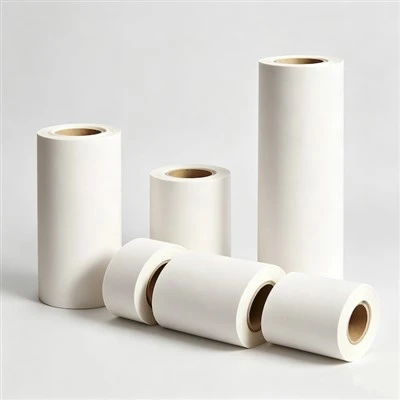


As a widely used functional material in the modern packaging industry, shrink film relies heavily on its design factors, material selection, and manufacturing processes to achieve desired performance. Proper design not only improves packaging efficiency but also meets various requirements related to product protection, brand presentation, transportation safety, and environmental sustainability. Therefore, the development of shrink film requires comprehensive consideration of material properties, shrink performance, packaging requirements, and application conditions.
Shrink performance is the primary design factor of shrink film. The main feature of shrink film is its ability to contract evenly when heated, allowing the film to tightly fit the product surface. During design, shrink ratio, shrink direction, and shrink speed must be carefully controlled. Different product shapes and packaging requirements require different shrink characteristics to achieve smooth, attractive packaging while reducing wrinkles and air bubbles.
Film strength is another important design consideration. During packaging, transportation, and handling, shrink film must withstand stretching, friction, and external impacts. Therefore, it requires good tensile strength, tear resistance, and puncture resistance. By adjusting material formulations and film thickness, manufacturers can improve overall film stability.
Transparency and appearance performance are also essential design elements. Highly transparent shrink film enhances product visibility and allows consumers to clearly view packaged contents. For products requiring brand promotion, surface properties must also be designed to ensure clear printing of text, graphics, and logos.
Environmental performance has become an important direction in modern shrink film design. With the development of sustainable packaging concepts, designers increasingly focus on recyclability, cleaner production methods, and lightweight film structures. Using environmentally friendly materials and optimizing film design can reduce resource consumption and improve sustainability.
In terms of manufacturing materials, shrink film is mainly produced from polymer materials. Different materials provide different performance characteristics. Common materials include PVC, PE, PET, and POF.
PVC shrink film offers good transparency, flexibility, and shrink performance. It has been widely used in earlier packaging applications, including daily product packaging and decorative packaging. However, its use has become more limited due to increasing environmental requirements.
PE shrink film provides excellent flexibility, impact resistance, and tensile performance. It is suitable for large product packaging, transportation packaging, and applications requiring strong protection. Its toughness helps reduce damage during packaging operations.
PET shrink film features high mechanical strength, heat resistance, and transparency. It is widely used in applications requiring higher packaging performance, such as beverage labels, electronic product packaging, and premium product packaging. It provides stable dimensions and excellent appearance.
POF shrink film is a relatively environmentally friendly shrink material with high transparency, good toughness, and strong safety performance. It is widely used in food packaging, daily product packaging, and retail packaging. Compared with some traditional materials, POF shrink film better meets the development needs of sustainable packaging.
In addition, functional additives such as anti-static agents, UV-resistant materials, and anti-fog agents can be added according to specific application requirements to improve performance in special environments.
Overall, shrink film design requires comprehensive consideration of shrink performance, strength, transparency, environmental impact, and processing adaptability. Material selection directly determines the final performance of the film. Through scientific design and appropriate material choices, shrink film can provide greater value in product protection, packaging enhancement, and sustainable packaging development.