

Self-adhesive labels are important carriers for product information display and brand communication. Their design not only affects product identification efficiency but also influences consumers' perception of brand image. With increasing market competition, self-adhesive label design has evolved from simple information marking into a comprehensive solution that integrates practicality, visual appeal, functionality, and marketing value.
The first principle of self-adhesive label design is clear information presentation. The primary purpose of a label is to communicate product information, so the layout of text, graphics, barcodes, and QR codes should be carefully planned. Clear typography, balanced composition, and effective information hierarchy allow users to quickly understand important details such as product names, specifications, and usage instructions, improving the practical value of the label.
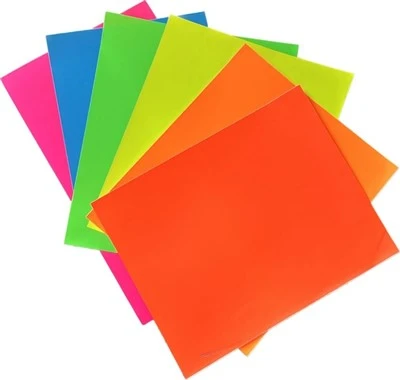
Visual appeal is another essential element of self-adhesive label design. An effective label design should reflect product characteristics and brand positioning through appropriate color combinations, graphic elements, and material selection. For example, food labels often focus on fresh and natural visual styles, while premium products may emphasize simple and elegant designs. A well-designed label can enhance product attractiveness and increase consumer attention.
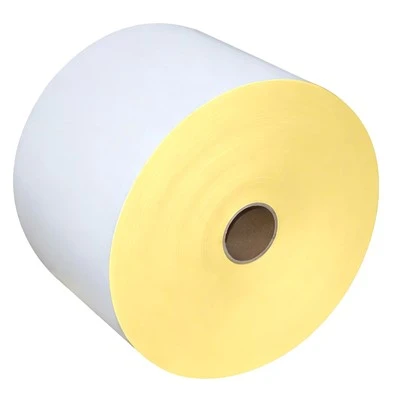
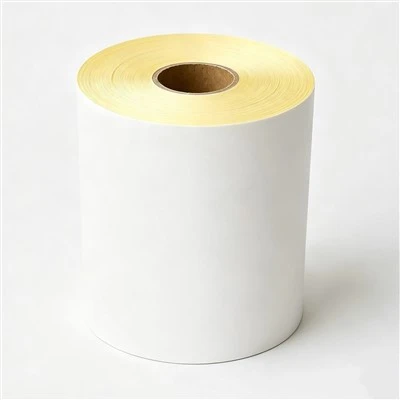
Material selection is also a key consideration in self-adhesive label design. Different application environments require different label materials. Paper-based labels with excellent printing performance are suitable for general product packaging, while film-based materials with water resistance, abrasion resistance, and temperature resistance are more suitable for electronic products, industrial equipment, and outdoor applications. The right material choice improves both durability and overall design quality.
Functional design is an important concept in modern self-adhesive labels. In practical applications, labels need to provide more than information display. They may also support anti-counterfeiting, tracking, and management functions. By integrating technologies such as QR codes, barcodes, and RFID, self-adhesive labels can enable product traceability, data management, and intelligent identification, improving operational efficiency.
Environmental sustainability has also become an important direction in self-adhesive label design. With growing demand for green packaging, designers are increasingly focusing on eco-friendly materials, recyclable substrates, and low-impact adhesives. These approaches help maintain label performance while reducing environmental impact and supporting sustainable development.
In addition, self-adhesive label design must consider production processes and practical application requirements. Die-cutting methods, printing technologies, surface treatments, and labeling environments can all influence the final result. Therefore, effective design requires a balance between appearance, production costs, and usage conditions.
Overall, the design concept of self-adhesive labels focuses on the integration of information communication, visual expression, functional applications, and environmental responsibility. Through scientific and creative design approaches, self-adhesive labels can enhance product value while helping businesses achieve more efficient information management and brand communication.