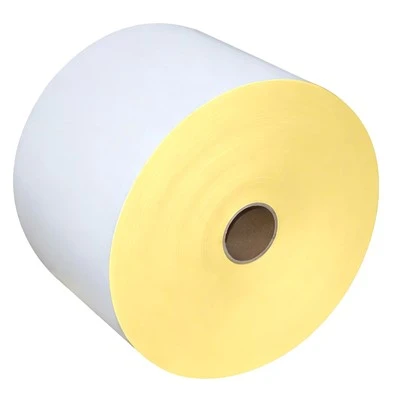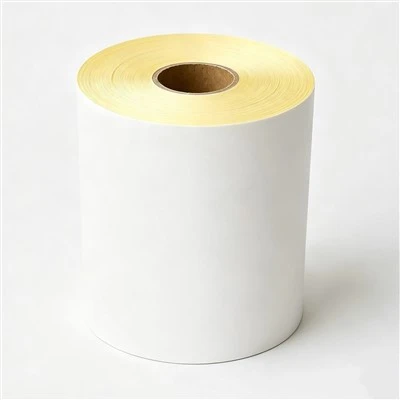


An in-mold label, commonly known as an In-Mold Label (IML), is an advanced product identification technology in which a pre-printed label is placed inside a mold during the plastic molding process. Under high temperature and pressure conditions, the label becomes permanently integrated with the plastic material, creating a unified structure between the label and the finished product. Unlike traditional labeling methods, in-mold labeling does not require a separate application process after molding, providing improved stability and appearance.
In-mold label technology is mainly used in plastic manufacturing processes such as injection molding, blow molding, and thermoforming. During production, a printed label is accurately positioned inside the mold by operators or automated equipment. When the plastic material enters the mold and forms the final product, the label surface bonds tightly with the plastic substrate, creating an inseparable integrated structure. This process effectively prevents common problems associated with traditional labels, such as peeling, edge lifting, and wrinkling.
Structurally, in-mold labels generally consist of a label substrate, printing layer, and protective layer. The label substrate is often made from materials such as polypropylene (PP) or polyethylene (PE), which provide good compatibility with plastic packaging materials. The printing layer displays brand graphics, text information, and product details, while the protective layer improves resistance to abrasion, moisture, and environmental factors.
The key feature of in-mold labels is the high level of integration between packaging and identification. Since the label is fixed during the molding process, there is no obvious boundary between the label and the product surface, creating a smoother and more attractive appearance. This technology also helps maintain long-lasting graphic clarity and improves packaging quality and brand presentation.
In-mold labels are not only a labeling method but also a packaging enhancement solution. They are widely used in food containers, beverage packaging, personal care products, children's products, household goods, and industrial plastic products. For products requiring long-term use, frequent handling, or premium appearance, in-mold labels provide more reliable identification performance.
With the development of automated manufacturing, sustainable packaging, and smart production technologies, in-mold labeling continues to improve. By combining eco-friendly materials, digital printing, anti-counterfeiting solutions, and intelligent identification technologies, in-mold labels can provide additional functions such as product tracking, brand protection, and information management.
Overall, in-mold labels are an innovative technology that combines label production with product molding. Through integrated manufacturing processes, they improve label stability, appearance quality, and application value, making them an important development direction in the modern packaging industry.