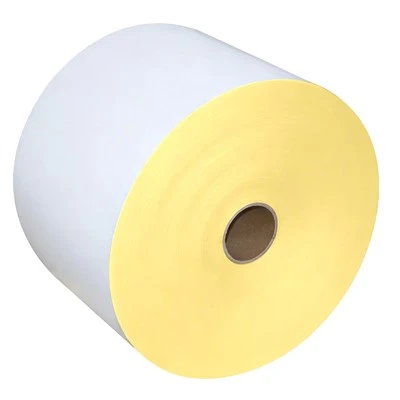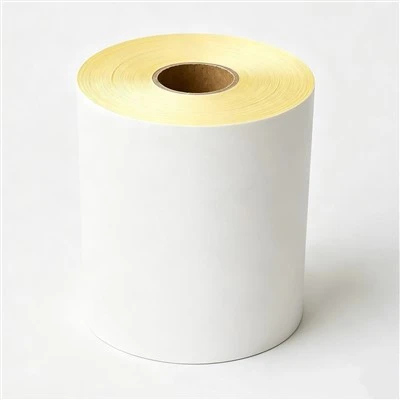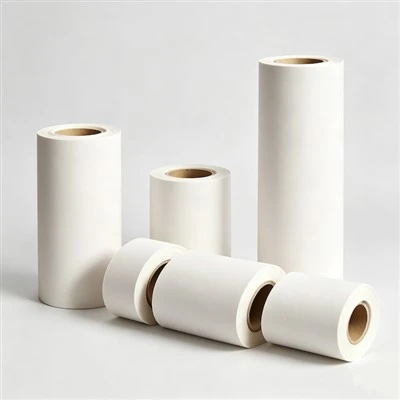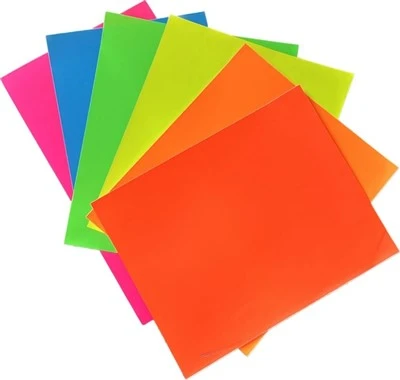


Self-adhesive film is a high-performance labeling material widely used in electronic products, industrial equipment, packaging, logistics, and consumer goods. With advantages such as water resistance, abrasion resistance, tear resistance, and long service life, self-adhesive film can meet various identification requirements in complex environments. However, proper application methods are essential for achieving reliable adhesion, extending label durability, and improving overall product quality.
Before applying self-adhesive film, the surface preparation process is very important. Dust, oil, moisture, and other contaminants on the application surface can reduce the bonding performance between the adhesive layer and the substrate, causing problems such as edge lifting or label detachment. Therefore, the surface should be clean, dry, and smooth before application. Different surfaces, including metal, glass, and plastic, may require different types of self-adhesive films to achieve the best results.
Choosing the right self-adhesive film is another key factor in ensuring application performance. Different environments require different material properties. Outdoor applications require excellent weather resistance, waterproof performance, and UV resistance. Industrial applications may require high temperature resistance, abrasion resistance, and chemical durability. For general packaging labels, printing quality and visual appearance may be the main considerations. Selecting the appropriate material according to specific requirements can significantly improve label reliability.
The application process also directly affects the final result. During installation, labels should be applied carefully to avoid bubbles and wrinkles caused by uneven pressure. It is recommended to apply the label gradually from one side to the other while pressing firmly to ensure full contact between the adhesive layer and the surface. For large-format labels, using application tools can help create a smoother finish and reduce air bubbles.
Temperature conditions are another important factor affecting adhesion performance. Suitable temperatures allow adhesives to achieve better bonding results. In low-temperature environments, adhesive flowability may decrease, reducing initial tack. Excessively high temperatures may affect material stability. For special environments, self-adhesive film products designed for specific temperature ranges should be selected.
Proper storage is also essential for maintaining product performance. Unused self-adhesive films should be stored away from high temperatures, excessive humidity, and direct sunlight. Keeping products in a dry and cool environment with intact packaging helps prevent material performance degradation.
As self-adhesive film applications continue to expand, proper usage techniques help maximize material advantages. By selecting suitable products, following correct application procedures, and maintaining proper storage conditions, businesses can improve labeling quality, reduce operating costs, and achieve more reliable identification solutions across various industries.