

Shrink film is a plastic film material that uses heat-induced shrinkage to wrap and protect products. Its manufacturing process involves multiple stages, including raw material preparation, extrusion molding, stretching, cooling, printing, cutting, and packaging. A scientific and controlled production process ensures that shrink film achieves excellent transparency, shrink performance, mechanical strength, and stability for different packaging applications.
The first step in shrink film production is raw material preparation. According to application requirements, manufacturers select different polymer materials as the main components, including polyvinyl chloride (PVC), polyethylene (PE), polyester (PET), and polyolefin (POF). Appropriate additives such as plasticizers, stabilizers, antioxidants, and lubricants may also be added to improve flexibility, heat resistance, and processing performance.
After material selection, the raw materials enter the mixing process. Different components are thoroughly blended using high-speed mixing equipment to ensure uniform distribution and stable film performance during production. For special applications, manufacturers may add eco-friendly materials, anti-static components, or functional additives to meet specific packaging requirements.
The mixed materials then proceed to the extrusion molding stage. Inside the extruder, plastic particles are melted under high temperatures and pushed forward by a screw mechanism to form a uniform molten material. The molten material is then forced through a die to create a continuous film structure. During extrusion, temperature, pressure, and speed must be carefully controlled to maintain consistent film thickness.
After extrusion, the film undergoes stretching, which is one of the most important steps in shrink film production. Through mechanical stretching or biaxial stretching processes, polymer chains inside the film are arranged in specific directions and store shrink energy. When exposed to heat later, the film returns toward its original molecular state and produces shrinkage. Different stretching ratios affect shrink rate, strength, and overall performance.
The stretched film is then cooled and stabilized to maintain its structural properties and prevent deformation during further processing. Quality inspections are also conducted during production, including thickness measurement, transparency testing, shrink ratio testing, and tensile strength evaluation to ensure product quality.
Depending on customer requirements, some shrink films undergo printing processes. Technologies such as gravure printing, flexographic printing, and digital printing can be used to add brand logos, product information, and decorative graphics to the film surface, improving packaging appearance. Additional treatments such as lamination and surface coating may also be applied to enhance durability and performance.
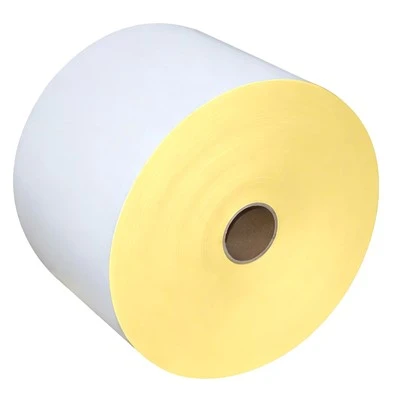
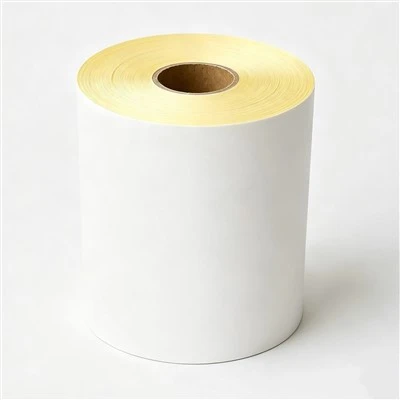
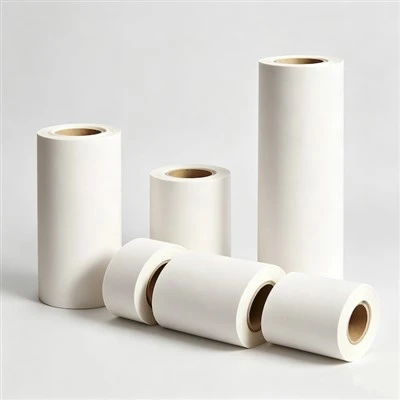
Finally, qualified shrink film is processed through slitting, winding, and packaging procedures to create finished products in different specifications. Finished shrink film must maintain stable shrink performance, good appearance, and strong packaging adaptability before being delivered for practical applications.
Overall, shrink film manufacturing is a comprehensive process combining material science, plastic processing technology, and packaging engineering. Every production stage, from material selection to final processing, affects the performance of the finished product. With the development of sustainable materials and smart manufacturing technologies, shrink film production processes will continue to improve, providing more efficient and reliable solutions for the modern packaging industry.