

Self-adhesive labels are widely used identification products in the modern labeling industry. With advantages such as convenient application, reliable adhesion, and diverse material options, they are commonly applied in product packaging, logistics, industrial manufacturing, electronic products, medical supplies, and office management. As businesses continue to improve their requirements for information management, brand presentation, and product tracking, self-adhesive labels have become an essential tool in modern production and commercial activities.
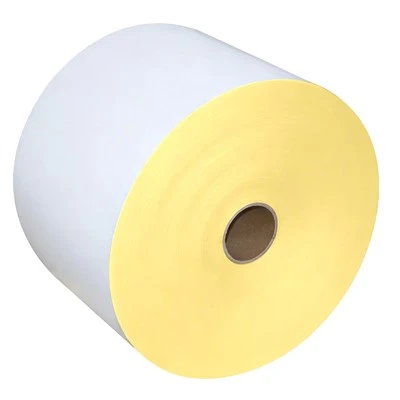
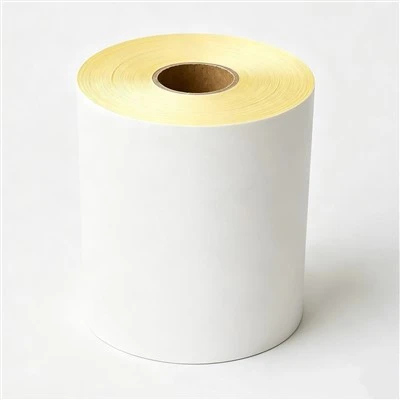
The most fundamental feature of self-adhesive labels is their built-in adhesive layer. Unlike traditional labels that require additional glue, self-adhesive labels usually consist of a face material, adhesive layer, and release liner. Users can simply remove the liner and apply the label directly without additional tools or materials. This convenient application method improves labeling efficiency and supports fast identification processes and automated production.
Excellent adaptability is another important characteristic of self-adhesive labels. According to different application environments and functional requirements, self-adhesive labels can be produced with various face materials, including coated paper, thermal paper, PET, PVC, and PP. Paper-based labels provide excellent printing performance and are suitable for product packaging and price identification, while film-based labels offer better water resistance, abrasion resistance, and durability for electronic products, industrial applications, and outdoor environments.
Self-adhesive labels also provide strong information-carrying capabilities. Through different printing technologies, labels can clearly display text, graphics, barcodes, and QR codes, supporting product identification, information communication, and data management. In logistics and warehouse operations, self-adhesive labels combined with digital management systems help improve inventory control efficiency, product tracking, and workflow optimization.
In addition, self-adhesive labels offer flexible processing options. According to specific requirements, they can be customized through processes such as die cutting, lamination, hot stamping, and perforation to meet different size, shape, and functional needs. Special treatments can also improve security features, visual appearance, and service life.
Environmental protection and functional development have become important trends in the self-adhesive label industry. With the advancement of sustainable manufacturing concepts, eco-friendly materials, biodegradable labels, and low-impact adhesives are increasingly being used, allowing labels to maintain performance while meeting environmental requirements.
Overall, self-adhesive labels feature convenient application, stable adhesion, clear printing, and wide-ranging usability. In the future, with the development of smart manufacturing, the Internet of Things, and digital management technologies, self-adhesive labels will continue to provide more efficient and reliable identification solutions across various industries.