

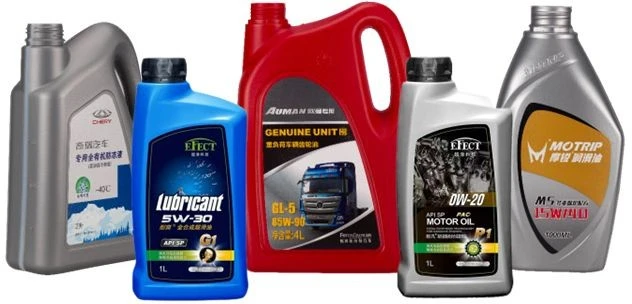
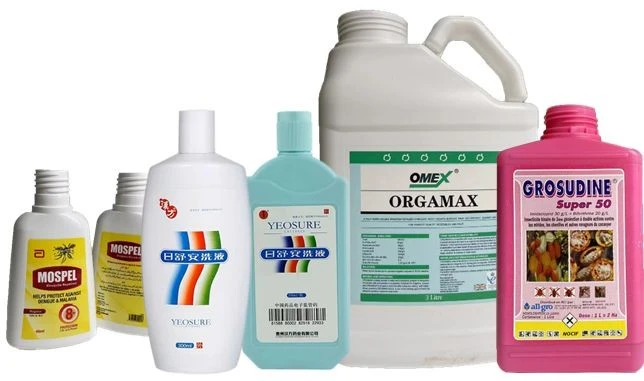
Blow molding IML is a functional BOPP-based synthetic paper specially developed for blow-molded PE & PP plastic containers. Pre-printed labels are fixed inside blow mold cavity before bottle forming; molten hot plastic fuses with label during blow molding, making label an inseparable part of plastic bottle without extra adhesive or secondary manual/automatic sticking process.
Different from traditional self-adhesive sticker labels, our IML eliminates secondary labeling steps, cuts production loss, delivers diversified surface finishes (orange peel/high-gloss/transparent/laser aluminized), featuring excellent printability, water-proof, weather-proof, folding & tear resistance, 100% recyclable without tree cutting and zero pollution in production. Our material technology originates from Taiwan & Japan, replacing imported expensive IML stock with cost-competitive domestic high-performance synthetic paper.

Four Core IML Product Series
|
Grade |
Full Name |
Surface Effect |
Core Usage |
|
ABM-105 |
Orange Peel IML Stock |
Matte frosted orange peel texture |
Edible oil, condiment, food plastic bottles |
|
ABG-100 |
High Gloss IML Stock |
Bright high-gloss smooth surface |
Daily chemical, shampoo & body wash containers |
|
ABC-80 |
Transparent Clear IML Stock |
Full transparent see-through effect |
Cosmetic, small-size healthcare plastic packaging |
|
ABP-110 |
Laser Aluminized IML Stock |
Metallic laser silver plating finish |
High-end lubricant, medicine & premium liquor packing |
All four grades adopt proprietary double-side coating + bidirectional stretching BOPP technology, stable static parameter for automatic robot mold feeding, low rejection rate during high-speed blow molding production.
Core Competitive Advantages
Superior Printing Performance
Exclusive featured BOPP substrate & special coating technology, compatible with offset, flexo, roto-gravure, digital printing, UV ink & hot foil stamping all mainstream printing methods. Ink dots solidify perfectly on film surface, printing brightness over 10% higher than mainstream market IML materials; special coating shortens ink drying time to only 1/4~1/3 of regular competing products, reduces printing smudge waste greatly.
Outstanding Physical Durability
Folding & Tear Proof: Bidirectional extension craft, no crack after repeated folding, excellent anti-tear for bottle extrusion deformation;
Water & Weather Resistant: Full plastic synthetic raw material, completely waterproof, stable color & structure under outdoor UV & high/low temperature environment;
Anti-static & Stable Auto-labeling: Controlled surface impedance reduces static disorder during robot picking, less broken label waste for high-speed automatic blow molding line.
Diversified Anti-counterfeit Value
One-piece integrated forming makes label impossible to peel off and re-stick on counterfeit empty bottles, effectively prevent illegal label transfer & counterfeit circulation for high-value food, medicine, liquor & cosmetics.
Eco-friendly Sustainable Feature
Made of all-plastic BOPP without wood pulp, no deforestation during production, zero waste water discharge in coating & processing; label shares same PP/PE plastic composition with blow bottle, 100% recyclable together with container to meet global circular economy & EU green packaging standard.
Production Cost Advantage vs Self-adhesive Label
Traditional self-adhesive labeling needs total 7 working steps (Molding→Sticker→Pack→Transport), while our IML finishes labeling within 4 molding steps only, remove independent post-label workshop & equipment investment;
In-house full-chain production (raw film→coating→slitting→finished IML roll), standardized high-speed production line cuts extra intermediate cost, cost-effective to replace expensive imported IML & conventional fragile adhesive labels;
After molding, label integrates tightly with bottle body, no curling, peeling, bubbling or corrosion during storage & transportation, lower after-sale brand complaint loss.

Blow Molding IML 4-Step Forming Process
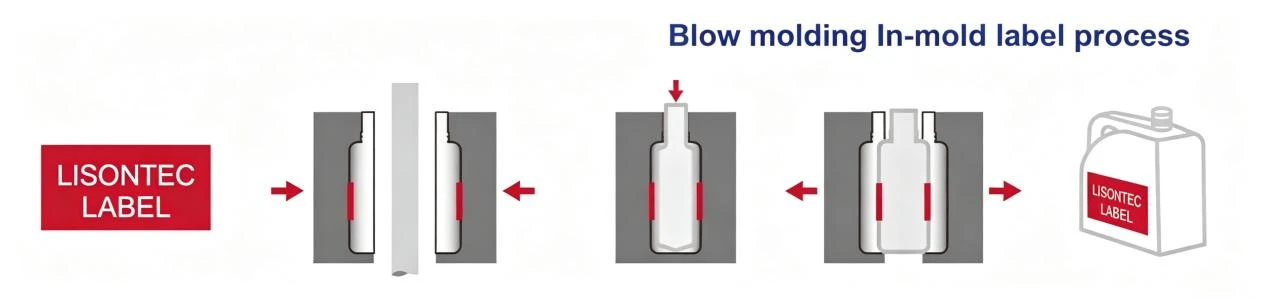
Step1 Robot Feeding: Automatic manipulator absorbs pre-printed IML label and fixes on inner mold wall via vacuum adsorption;
Step2 Molten Plastic Feeding: Hot melted PP/PE resin extrudes into closed mold cavity;
Step3 Blow Molding Forming: Compressed air inflates plastic parison to fit mold inner surface, hot melt bonds label firmly with bottle blank;
Step4 Demolding Finished Goods: After cooling solidification, open mold and eject finished bottle with integrated embedded label, directly go to filling procedure without extra labeling.
Global Application Industries
- Food & Edible Oil: Cooking oil bottles, sauce & condiment plastic containers, dairy & beverage blow-molded cans;
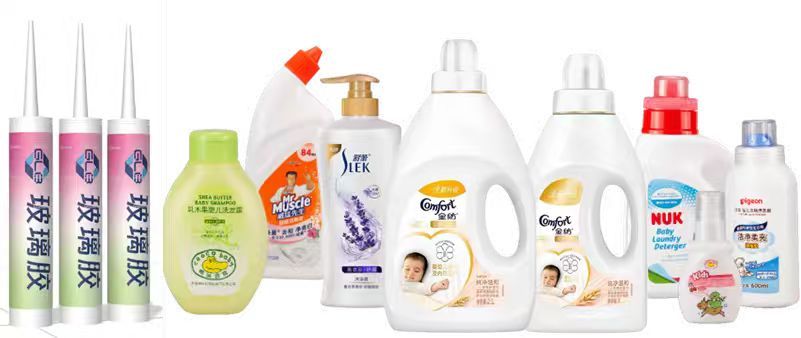
- Daily Chemicals: Shampoo, body wash, laundry detergent, household cleaner plastic packing;
- Medicine & Healthcare: Oral liquid bottles, disinfectant plastic containers, medical auxiliary packaging;
- Industrial & Auto: Engine oil, lubricant, car maintenance liquid blow molding barrels & bottles;
- Premium Liquor & Cosmetics: High-end cosmetic empty bottles, plastic liquor outer packing.

Technical Specification Data Table
|
Blow Molding IML Grade |
Thickness(μm) |
Thickness Tolerance |
Density(g/cm³) |
Base Weight(g/m²) |
Gloss(%) |
Whiteness(%) |
Roughness(μm) |
Surface Impedance(Ω) |
Surface Tension(dyne) |
|
ABM-105 |
115 |
±5% |
0.77 |
88.6 |
25 |
96 |
1.2 |
10¹⁰~10¹¹ |
42/32 |
|
ABG-100 |
100 |
±5% |
0.92 |
92.0 |
27 |
96 |
1.2 |
10¹⁰~10¹¹ |
42/32 |
|
ABC-80 |
80 |
±5% |
0.88 |
70.4 |
95 |
- |
0.7 |
10¹¹~10¹² |
40/32 |
|
ABP-110 |
110 |
±5% |
0.92 |
101.2 |
110 |
- |
0.8 |
10¹¹~10¹² |
40/32 |
Customized Service Support
Custom Size & Thickness: Custom develop exclusive thickness/size IML stock based on clients' bottle mold & blow molding machine parameter;
Custom Functional Coating: Custom anti-UV, high-temperature resistant, special anti-chemical surface coating for extreme usage environment;
Small Batch Trial Order: Accept small MOQ sample trial for new product development, flexible bulk mass production arrangement;
Printing Technical Guidance: Free professional technical support for label pre-printing parameter matching.
FAQ
Q: What is Blow Molding IML?
A: Blow Molding IML is a labeling process where a pre-printed label is placed inside a blow mold, and during the blow molding process, the plastic container is formed and the label fuses permanently with the product surface.
Q: What are the advantages of Blow Molding IML?
A:Seamless integration of label and container
High-quality, durable decoration (scratch-resistant, waterproof)
No post-labeling process required
Better recycling efficiency (same material system in many cases)
High-end visual appearance with full-color printing
Q: What products commonly use Blow Molding IML?
A: Shampoo and personal care bottles
Household detergent bottles
Food containers (dairy, sauces, oils)
Lubricant and industrial chemical containers
Beverage bottles (in some applications)
Q: What materials are used in Blow Molding IML?
A: Common combinations:
HDPE (High-Density Polyethylene) – most widely used
PP (Polypropylene) – for higher temperature resistance
Labels are typically PP-based or PE-based film labels
Q: What is the difference between Blow Molding IML and Injection IML?
A: Blow Molding IML: Used for hollow containers (bottles, jerry cans)
Injection IML: Used for rigid solid parts (cups, lids, containers)
Blow molding involves air inflation, while injection molding uses a solid mold cavity
Q: What are the main types of Blow Molding IML?
A: Extrusion Blow Molding (EBM) IML – most common
Injection Blow Molding (IBM) IML
Stretch Blow Molding (SBM) IML – often used for PET bottles
Q: How is the label placed during production?
A: A robot or static system places a pre-cut label into the open mold cavity. The label is held by vacuum or electrostatics, then plastic is blown into the mold, bonding the label to the container.
Q: What are the key challenges in Blow Molding IML?
A: Precise label positioning inside mold
Static electricity control
Cycle time synchronization with labeling system
Mold design compatibility
Label wrinkling or shifting issues
Q: Can Blow Molding IML labels fall off?
A: Under proper process conditions, labels are permanently fused with the container. If issues occur, common causes include:
Incorrect temperature
Poor label material compatibility
Static or vacuum system failure
Mold contamination
Q: What materials are best for IML labels?
A: PP labels for PP containers
PE labels for HDPE containers
Special coated films for better ink adhesion and heat resistance
Q: Is Blow Molding IML environmentally friendly?
A: Yes, it is considered more eco-friendly because:
No glue or adhesives are used
Labels and containers can be made from the same material family (improves recyclability)
Reduces secondary labeling processes
Q: What are the cost considerations?
A: Costs depend on:
Mold modification and automation system
Label material and printing complexity
Production volume
Cycle time efficiency
Initial investment is higher, but unit cost becomes competitive at scale.
Q: What is the production speed of Blow Molding IML?
A: Depends on machine type and automation level:
Typically comparable to standard blow molding lines
Label insertion adds minimal cycle time if well optimized
Q: What defects can occur in Blow Molding IML?
A: Label wrinkling
Misalignment
Air bubbles under label
Poor adhesion or edge lifting
Static-related label misplacement
Q: What industries benefit most from Blow Molding IML?
A: FMCG (fast-moving consumer goods)
Household cleaning products
Personal care industry
Food packaging
Industrial chemical packaging
Hot Tags: blowing iml material, China blowing iml material manufacturers, suppliers, factory